What the taskforce actually proposed
The taskforce's report recommends moving London towards a genuine 24-hour city: later licences, night transport that matches them, and late-night food — the unglamorous infrastructure that decides whether staying out is practical. The Mayor's draft Strategic Licensing Policy that followed aims at the real blocker: consistency. Tonight, an identical venue can get a 3am licence in one borough and last entry at midnight in the next, because each of the 33 boroughs sets its own weather. A common framework is the single most useful thing City Hall can offer.
The gap between policy and floor
Licensing reform matters, but the recent record cuts both ways: London gained a newly licensed 24-hour club in Brixton, and lost Fold — one of its few genuinely 24-hour rooms — to a council closure. Corsica Studios is closing this year with a promised return in 2027; venues like Moth Club sit under development pressure. A later closing time on paper does not save a room whose building is worth more as flats, and it does not lower a rates bill.
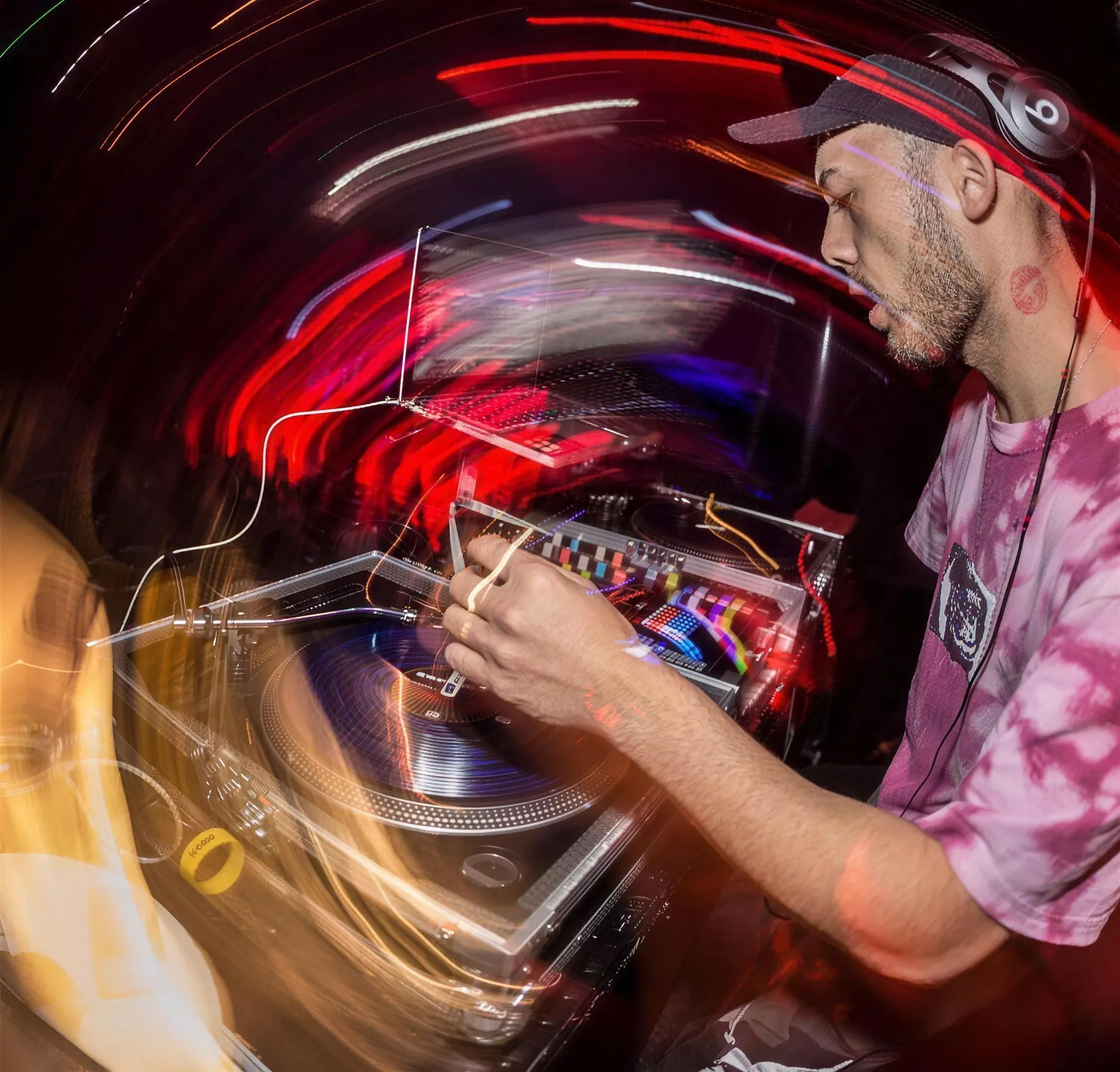
From the booth, the test of the plan is simple: does the 2am-to-5am stretch come back? That window is where club culture actually lives — where sets get long enough to go somewhere, and where London's blend of sounds was built. If the policy only produces later bars, it will have missed its own point.
What it means if you're booking
For anyone planning an event in London now, the practical read is this: late licences remain venue-by-venue, so lock the finish time into the venue conversation before booking anything else — the DJ, the bar, the transport all hang off it. And if the taskforce's reforms land, expect the strongest floors to migrate later again. The city's appetite never went anywhere; the permissions did.